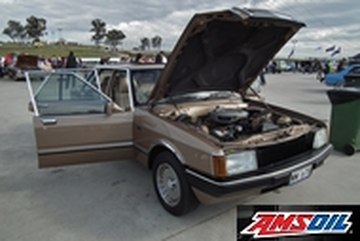
Maintaining Lubrication Standards for the 1981 Ford LTD 5.8L
Proper engine maintenance for a vehicle of this era requires a focus on consistent monitoring and adherence to specific fluid requirements. For the 1981 Ford LTD equipped with the 5.8L engine, maintaining the integrity of the lubrication system is a fundamental aspect of long-term mechanical health. Because older engines operate under different thermal and mechanical stresses than modern counterparts, owners should prioritize regular inspections and high-quality lubricant selection.
Monitoring Fluid Integrity and Potential Seepage
A primary component of routine service for this vehicle involves the visual inspection of the engine area for any signs of fluid loss. Over time, various gaskets and seals may undergo changes in their ability to maintain a tight seal. When performing regular maintenance, it is useful to look for evidence of seepage or active leaks around the engine block and sealing surfaces.
Identifying these issues early can prevent more significant complications. If you notice oil accumulating on the underside of the engine or staining specific areas of the block, this warrants a closer inspection. It is important to note that visible fluid may indicate several different things; for example, an odor of burning oil might suggest that lubricant is contacting a hot external component rather than indicating a direct internal leak. Always approach observations with the understanding that symptoms can have multiple underlying causes and should be investigated thoroughly.
Observing Changes in Lubricant Condition
Beyond looking for external leaks, monitoring the actual condition of the engine oil itself provides valuable information about the engine's current state. When checking the oil level or during an oil change, pay close attention to the appearance and texture of the fluid.
- Color and Clarity: While oil naturally darkens with use, extreme discoloration can sometimes be a sign of heavy contamination.
- Consistency: The presence of any unusual grit or particulate matter within the oil should be investigated immediately.
- Odor: Strong or unusual smells associated with the lubricant may indicate that it has been subjected to excessive heat or has become contaminated by other fluids.
If you notice a significant change in how the engine behaves—such as changes in noise levels or unexpected consumption of oil between service intervals—these are indicators that the lubrication system requires professional attention. Consistent monitoring helps establish what is "normal" for your specific engine, making it easier to spot deviations.
Prioritizing Maintenance Based on Current Condition
For an owner of a 1981 Ford LTD, effective maintenance strategy often involves moving away from purely age-based schedules and toward condition-based care. While keeping a regular service routine is vital, the actual needs of the 5.8L engine may vary depending on how the vehicle has been operated and maintained in the past.
If you are beginning to own this vehicle and do not have access to a complete service history, your first priority should be establishing a maintenance baseline. This involves performing a comprehensive inspection of all fluids, filters, and accessible engine components. Once you have documented the current state of the vehicle, you can better prioritize future tasks. For instance, addressing an active leak or replacing a heavily contaminated filter is more critical than following a generic service interval that may not reflect the vehicle's actual needs.
Maintaining detailed records of every oil change, filter replacement, and observed repair is one of the most effective ways to manage long-term ownership. These records allow you to track trends, such as whether oil consumption is increasing over time or if certain components require more frequent inspection than others.
Inspecting Auxiliary Engine Components
While the engine oil is central to lubrication, other components in the engine compartment play supporting roles that should be inspected during routine service. If equipped, accessible drive belts should be checked for signs of wear, such as cracking, glazing, or fraying. Similarly, if the vehicle is equipped with various hoses, these should be inspected for any signs of brittleness, swelling, or leakage.
Electrical connections and wiring harnesses that are near heat sources should also be monitored for signs of deterioration. Ensuring that all sensors and electrical connectors remain clean and secure helps maintain the overall reliability of the engine management systems present on the vehicle. A holistic approach to inspection—looking at the belts, hoses, and electrical integrity alongside the lubrication system—ensures that no single component failure goes unnoticed.
Managing Long-Term Engine Health
As engines age, the materials used in their construction, such as various seals and gaskets, may become less resilient. This does not mean they are destined to fail, but it does mean they require more attentive monitoring. Rather than replacing parts based solely on the age of the vehicle, focus on the actual condition of the components. A seal that shows no signs of seepage or degradation is often better left alone than one being replaced prematurely without cause.
Distinguishing between necessary preventive maintenance and unnecessary part replacement is a key skill for long-term ownership. Focus your resources on addressing active warning signs and maintaining the quality of the fluids used in the engine. By staying proactive rather than reactive, you can manage the maintenance requirements of the 5.8L engine effectively throughout its service life.
Buying Engine Oil for your 1981 Ford LTD 5.8L
When it is time to replenish your engine's lubricant, it is essential to select a product that aligns with the specific requirements of your application. To ensure proper protection and performance, match the engine oil to the vehicle-specific viscosity and application information already displayed on this page.
Before making a purchase, carefully review the product labeling to confirm it meets the necessary standards for your engine. You may choose between conventional, synthetic blend, or full synthetic formulations depending on your specific maintenance goals and the guidance provided in the application data above. If you are operating an engine with higher mileage, some high-mileage oil formulations contain additives intended for use in aging engines, including seal-conditioning additives that may assist in maintaining component integrity. Always prioritize the technical specifications listed in your vehicle's documentation to ensure the lubricant is appropriate for the 1981 Ford LTD 5.8L.